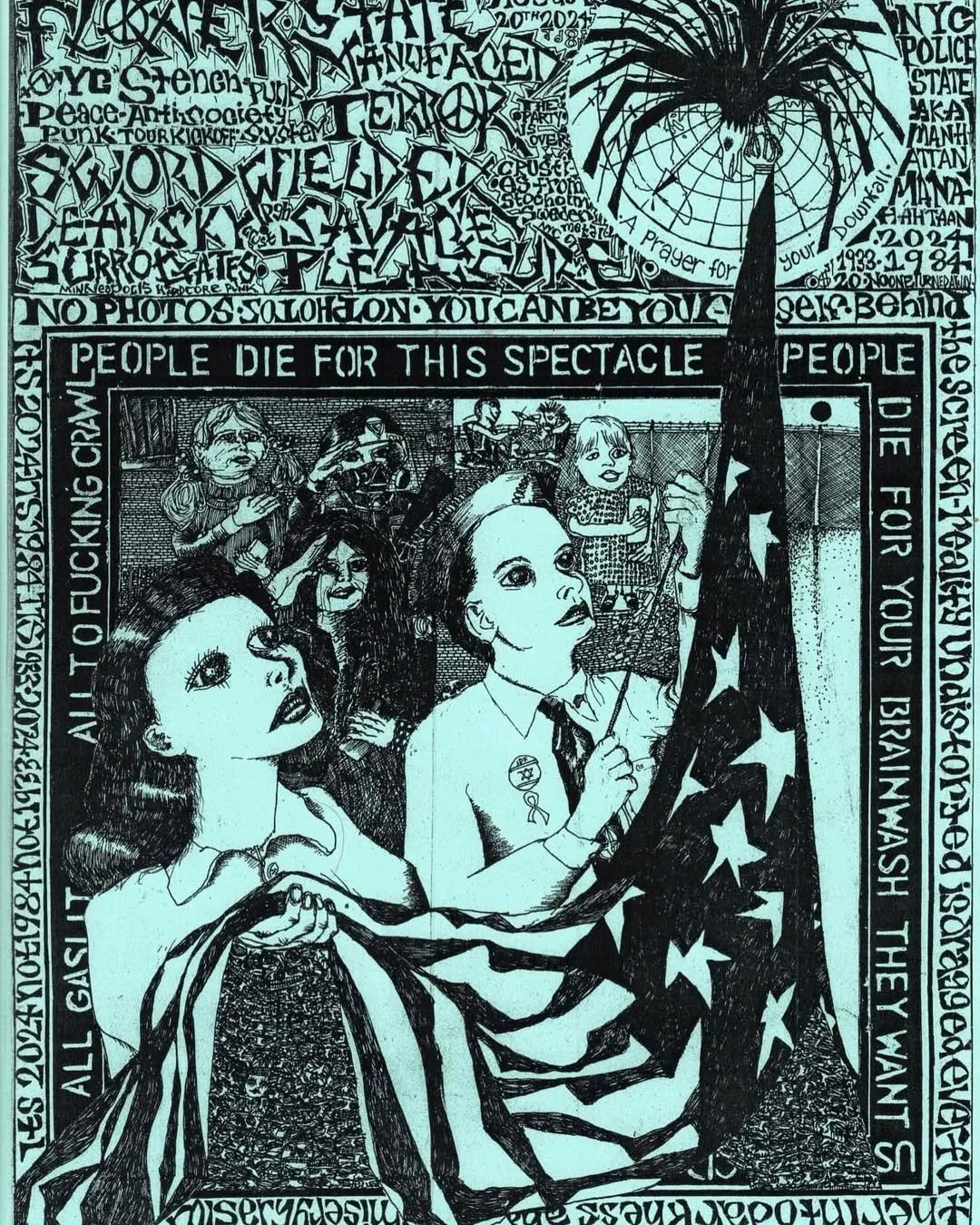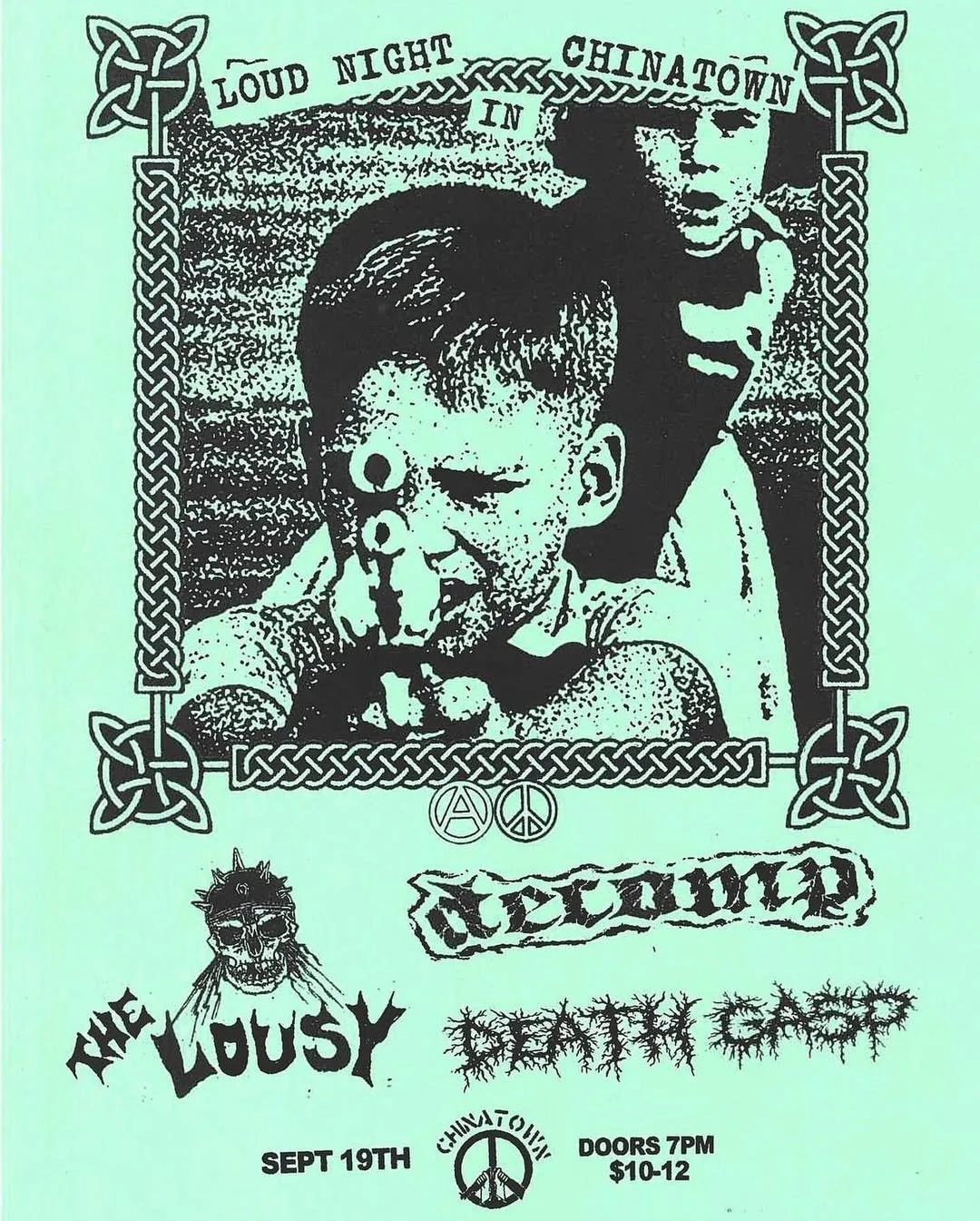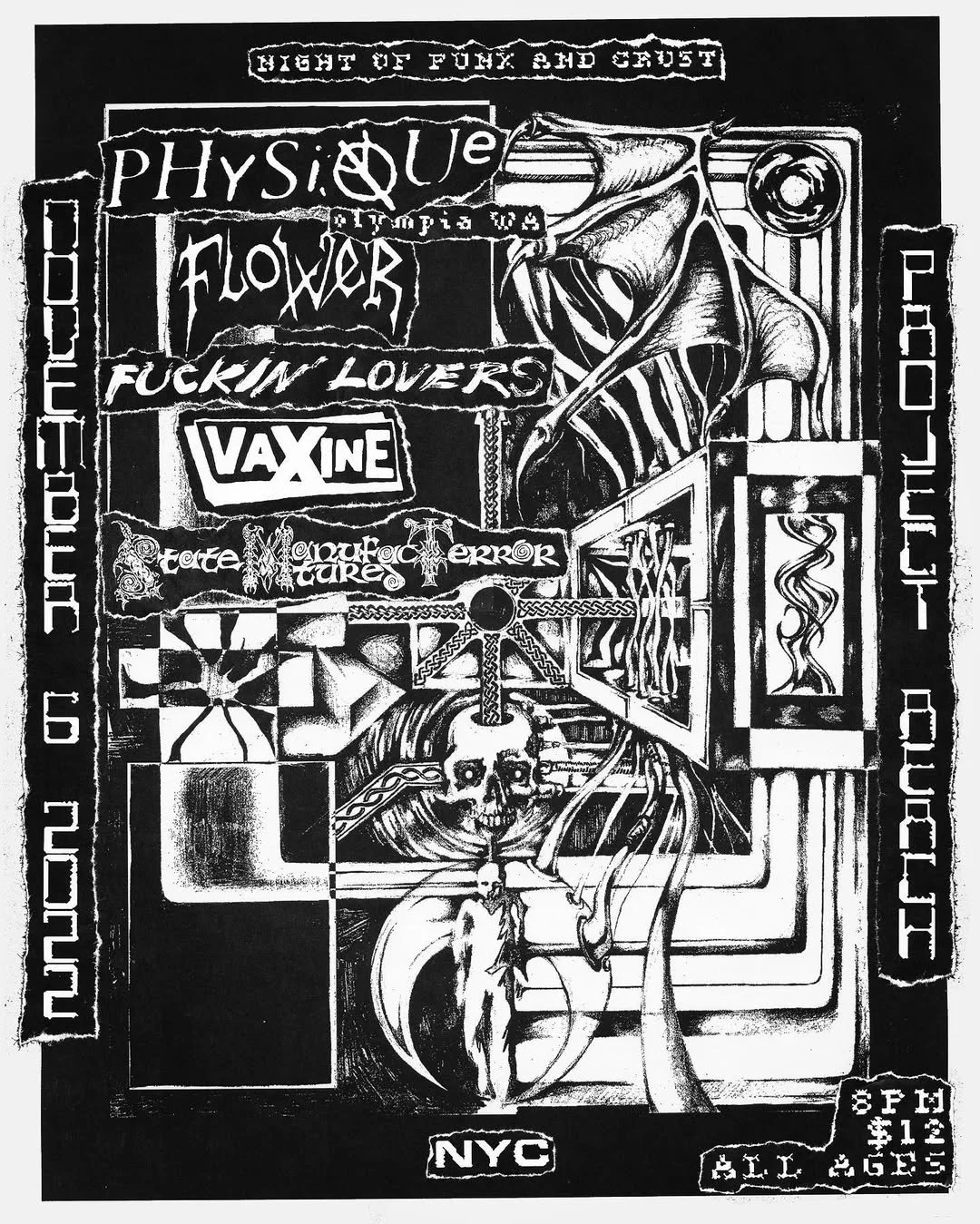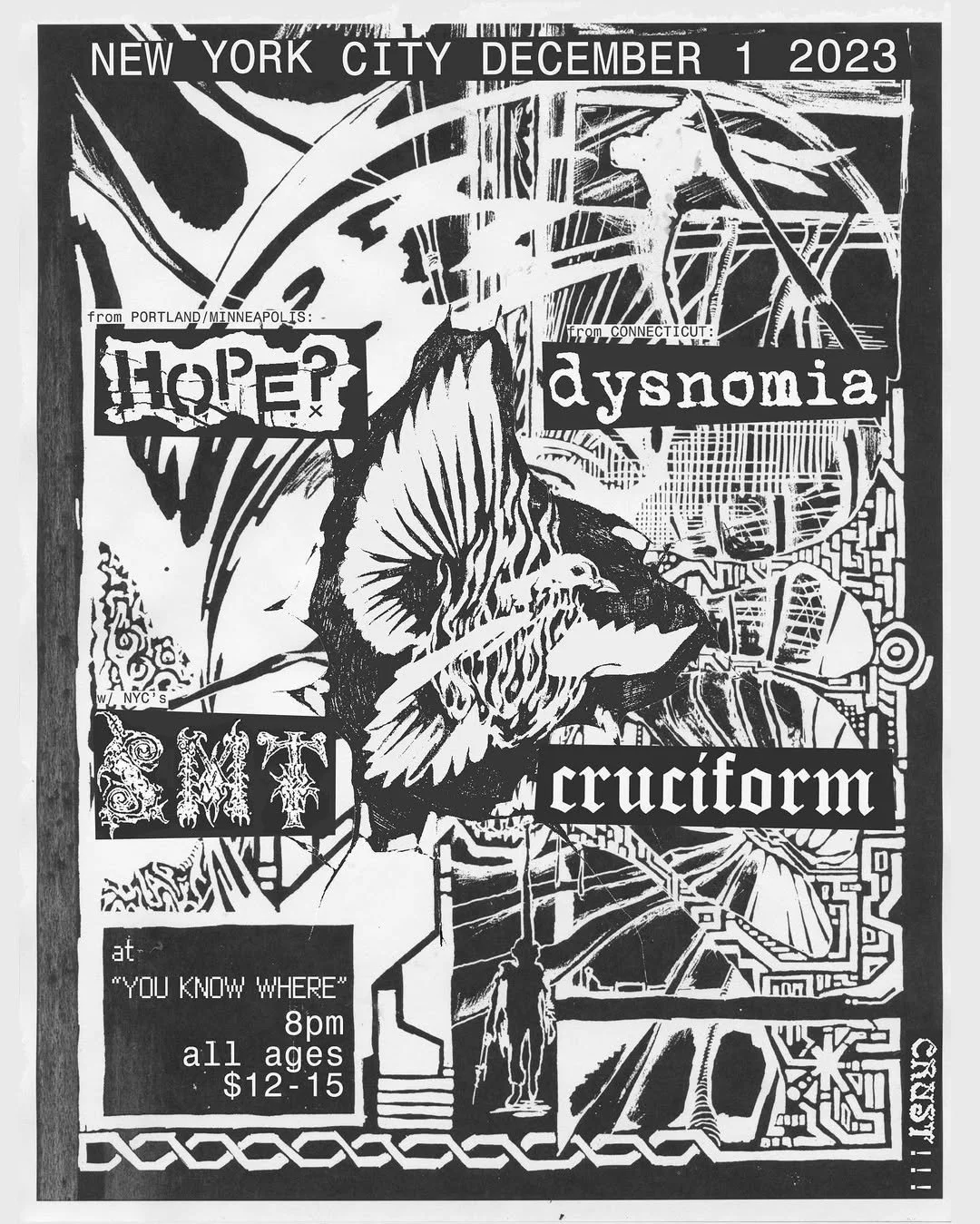
Defiance Through Noise
On the afternoon of November 26, 2024, Judge Jeffery Zellan delivered a short and swift ruling in Civil Court evicting the illegal occupants of 39 Eldridge St. in Chinatown and with them, a punk haven that had served the community for two years.
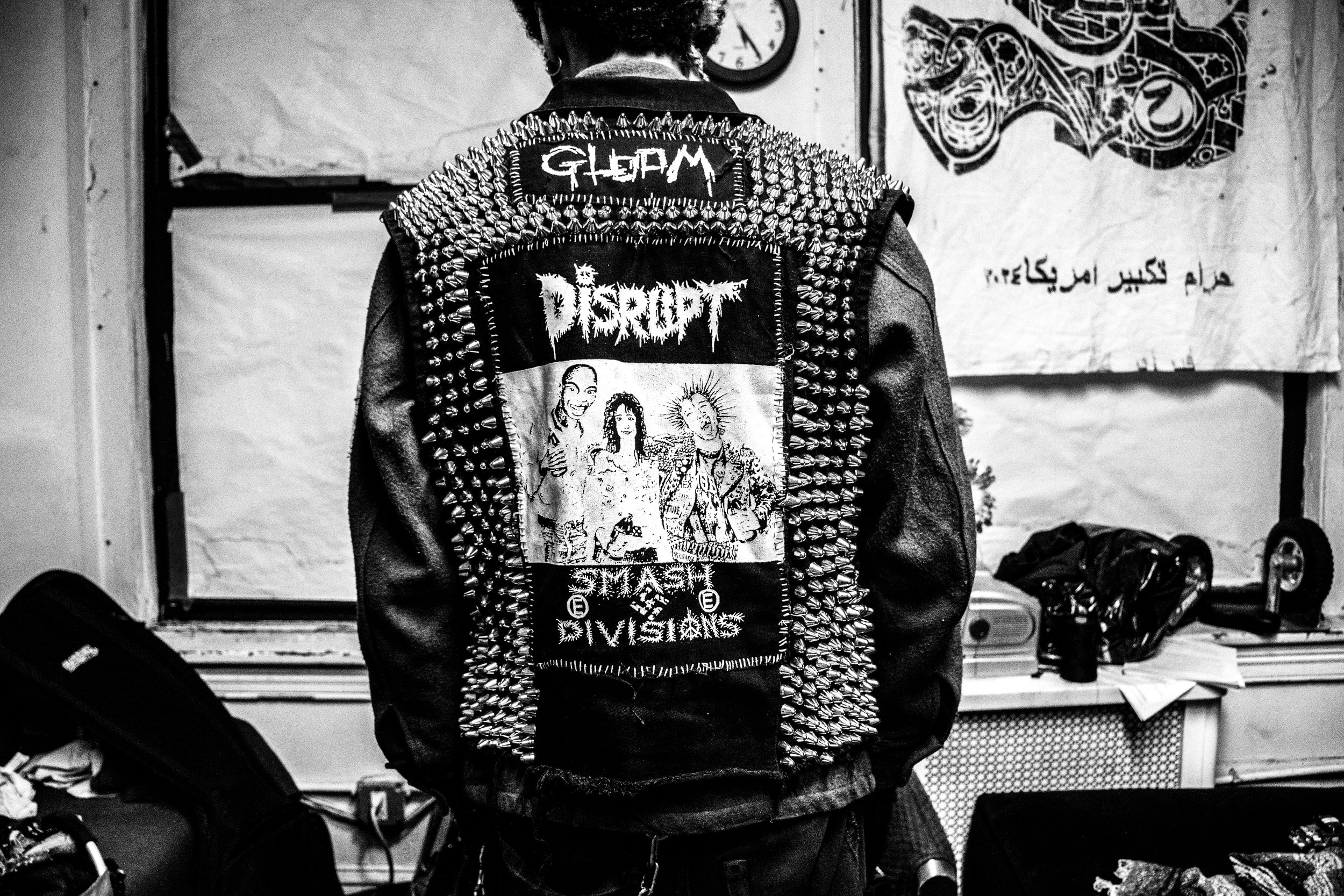
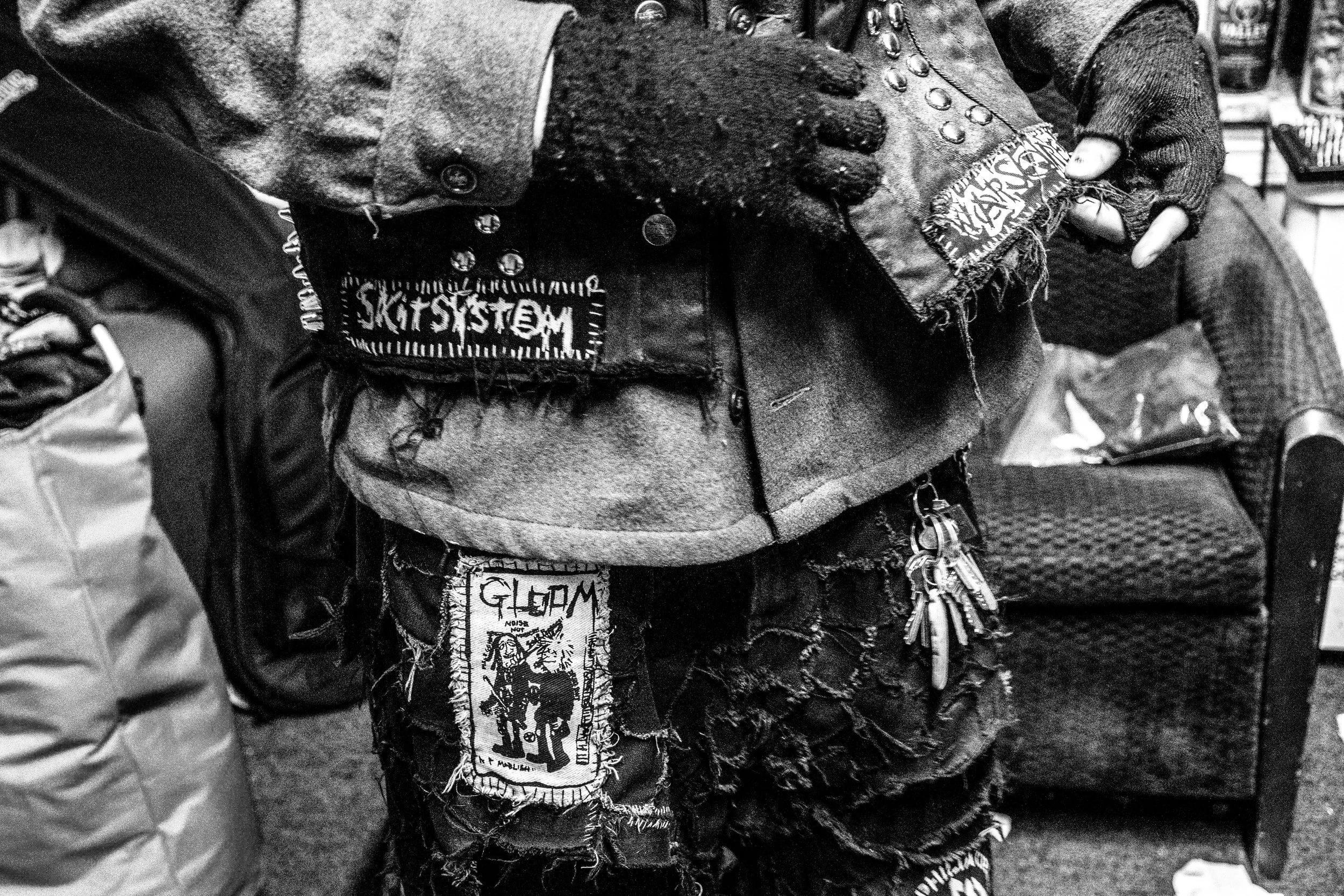
The 30 or so young people in the courtroom, some with piercings, face tattoos, brightly dyed hair, and denim adorned with spikes and band patches, held back their disappointment silently on the benches.
Roughly a year later, that same fourth floor remains vacant, and that haven, named “Punk HQ” by the squatters who made it a hub for marginalized youth to come together in community, often through the punk subculture, still does not have a location.
While the eviction put to rest a bitter dispute about the space on 39 Eldridge Street, it's just the latest chapter in a long tradition of selfmade punk-led spaces fighting for survival in New York City.
DIY or Do-It-Yourself spaces in New York,are often community-focused music venues which operate outside of the mainstream commercial structure, have been in a steady decline due to economic pressures, a trend exacerbated by the coronavirus pandemic. Within the last month Brooklyn has seen the closure of two additional DIY venues; Eurekas and INTERCOMM.
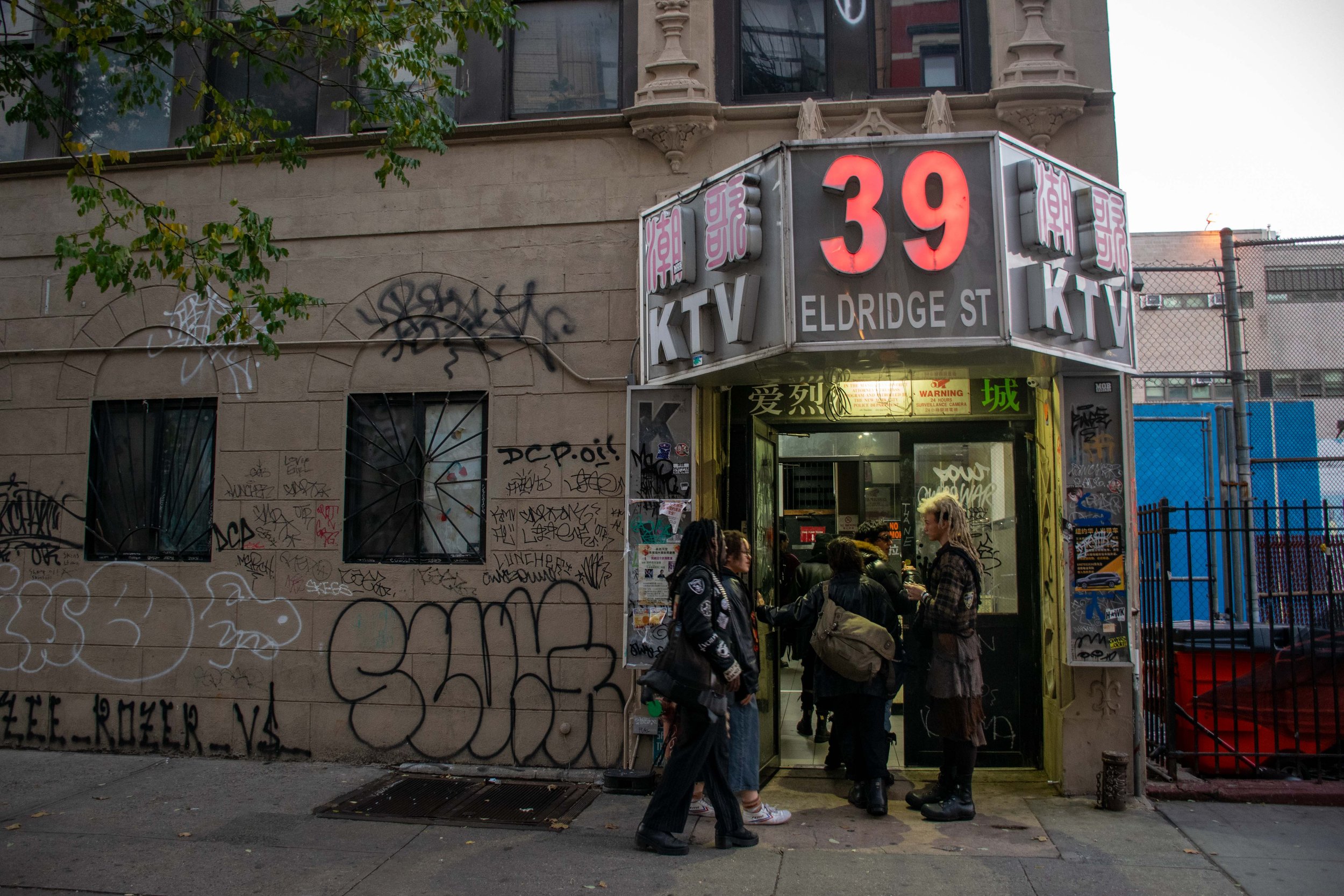
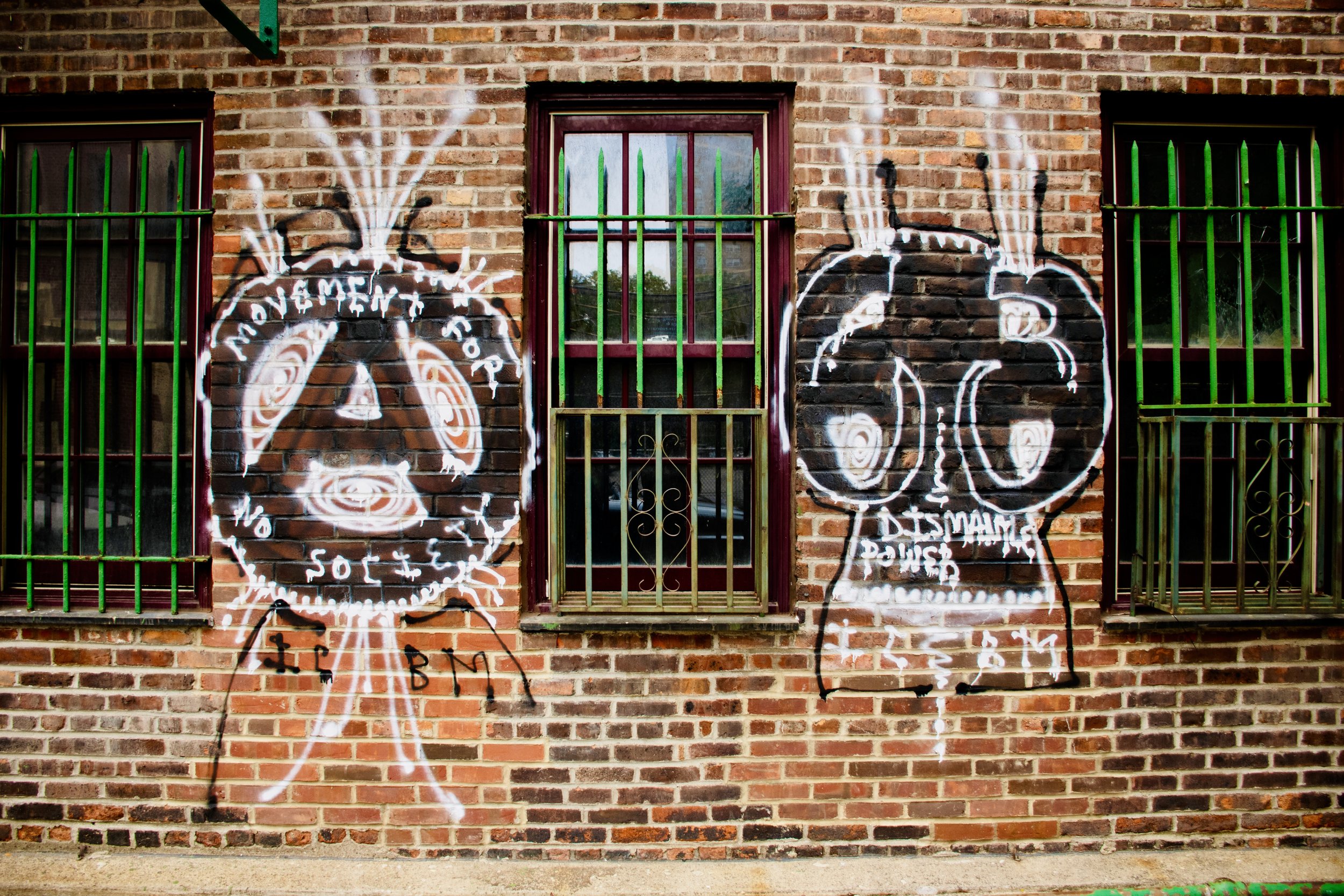
PunkHQ
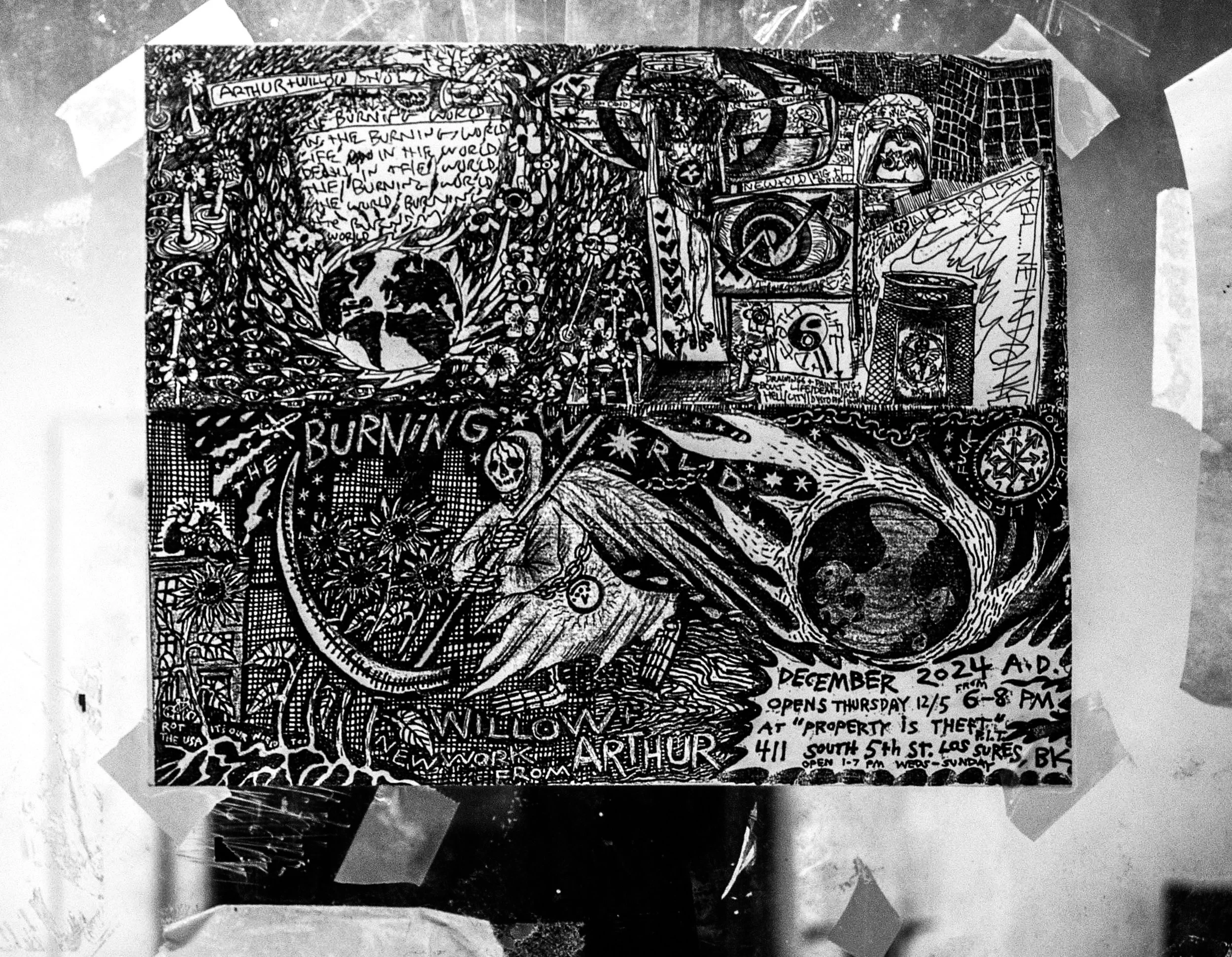
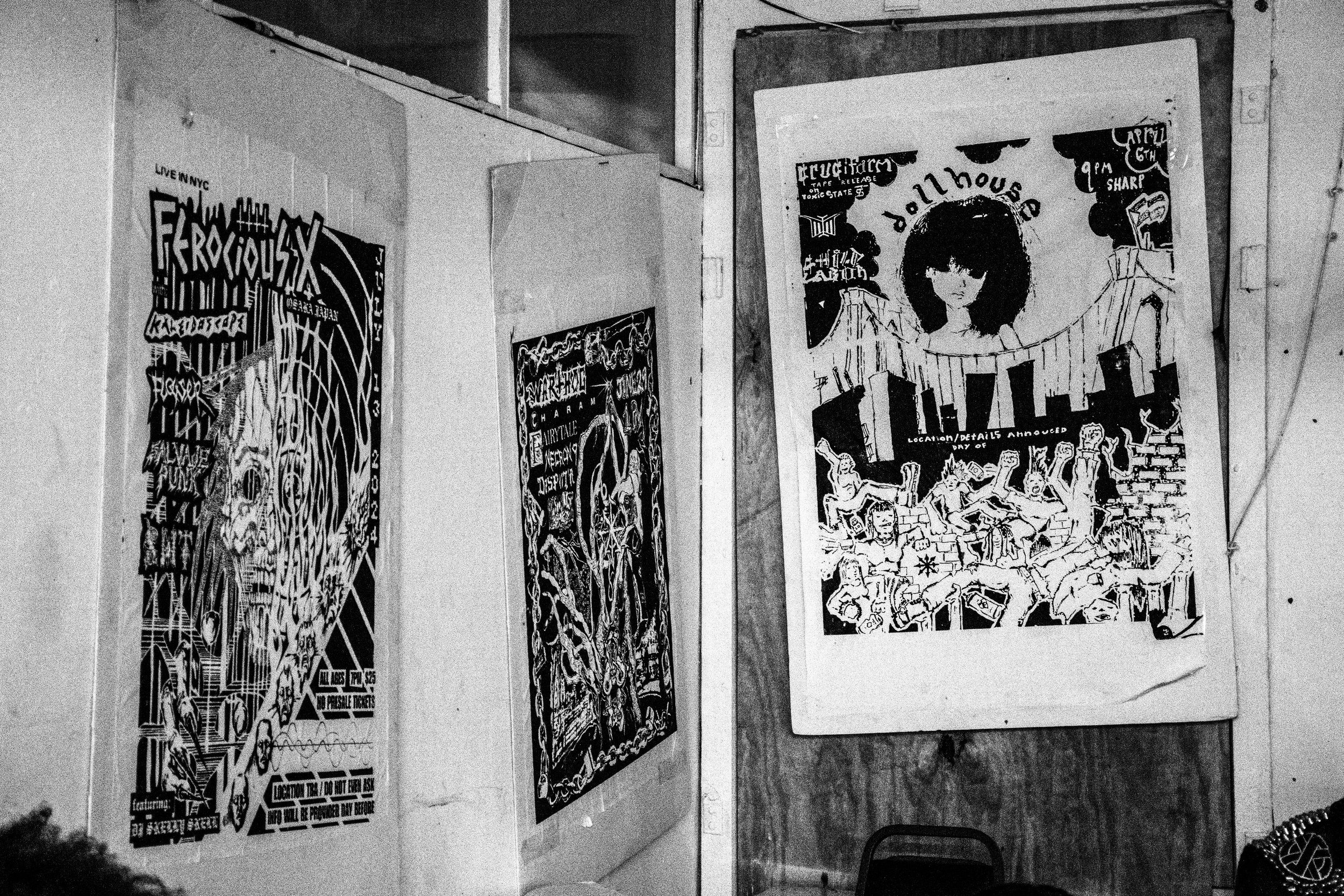
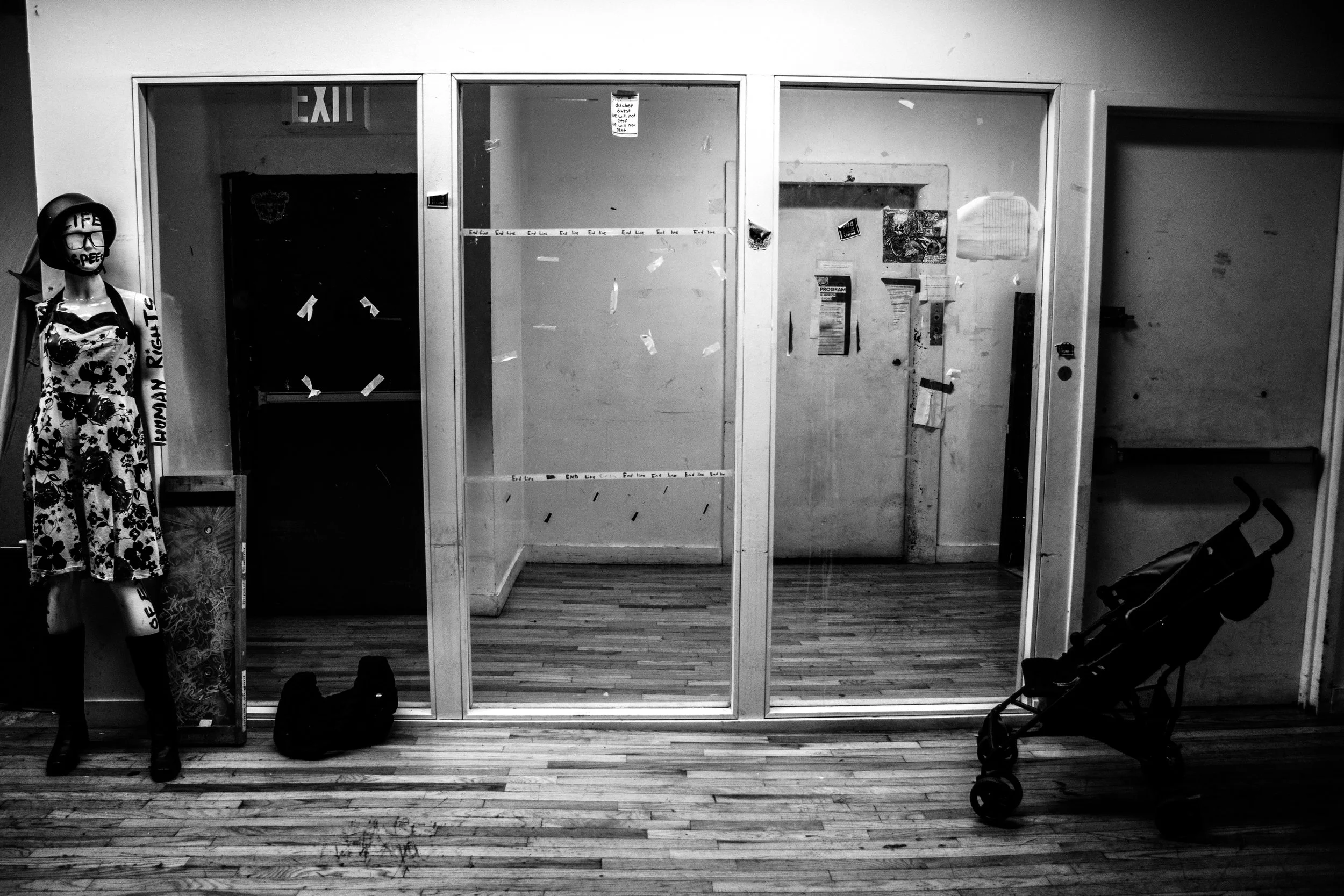
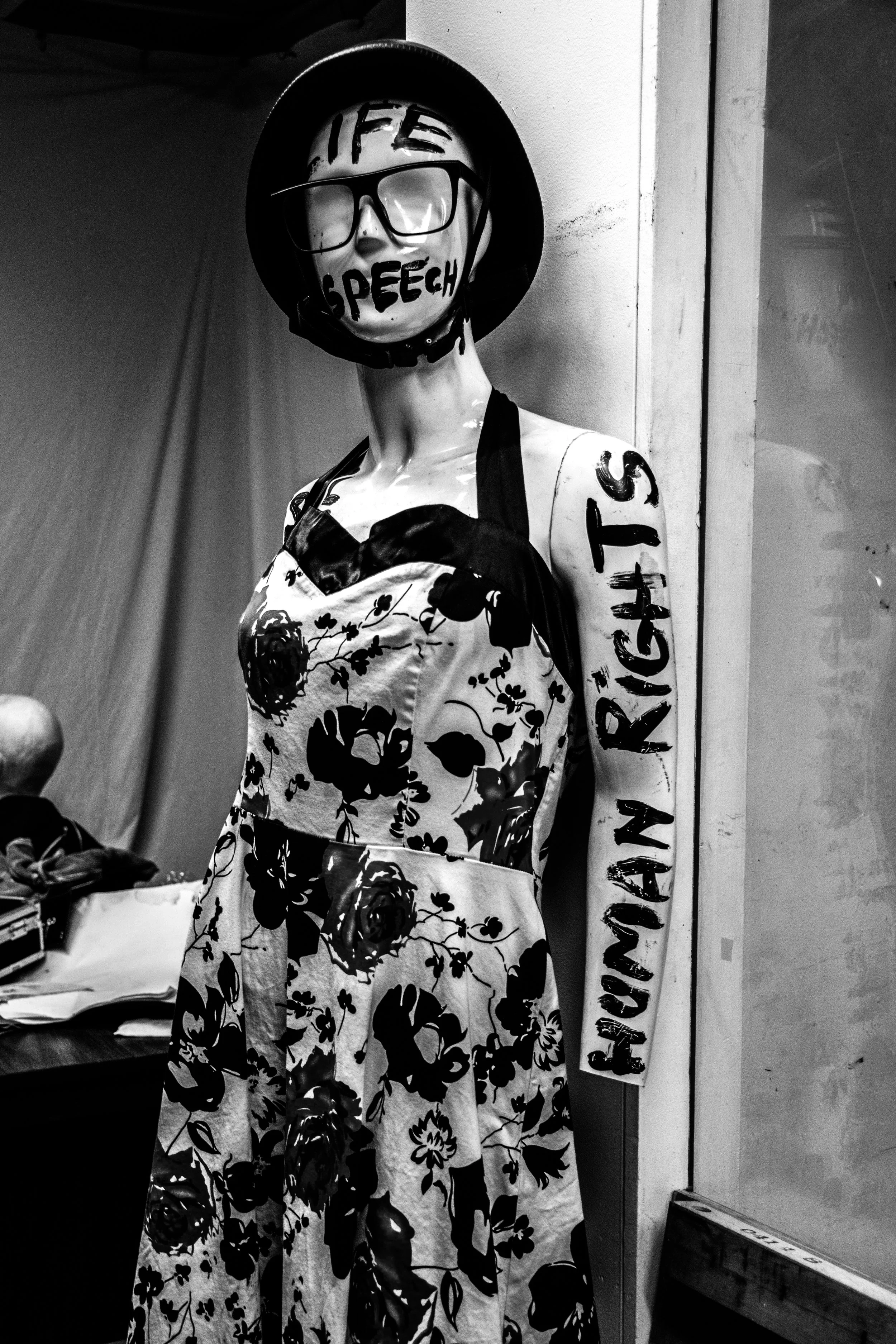
The eviction of Punk HQ, not only marked the loss of yet another physical space, but also the loss of community and skill-sharing activities, such as screenprinting or instrument lessons.
Project Reach, founded in 1971 by the Chinese-American Planning Council (CPC), is a non-profit organization for youth living in low-income communities. They began operating out of a small storefront at 27 Eldridge Street. In 2012, around 40 years and a few moves later, Project Reach was back in Chinatown, leasing the 4th floor of 39 Eldridge St.
But Project Reach wasn’t really operating on Eldridge Street. The landlord, 39-41 Eldridge Realty Corp., filed a court case in November 2024 against the CPC, citing deteriorating building conditions and unpaid fees. The two parties reached an agreement that allowed the CPC to remain on-site until February 2025, with an added early vacate stipulation agreement that either party can choose to exercise.
However, the Chinese-American Planning Council had opted to end the lease with 39-41 Eldridge Street Realty Corp. early, as they were footing a $13,000 monthly rent for a space it wasn’t properly using, as Project Reach’s programs, services and curricula were made available through a school based model, at the directive of government funders.
Two former employees of Reach, Wren Quiles and Ru Orozco chose not to vacate the building, leading the CPC to resort to court intervention. All parties agreed that Punk HQ vacated the building on December 11th, 2024, leaving the five-story building completely empty.
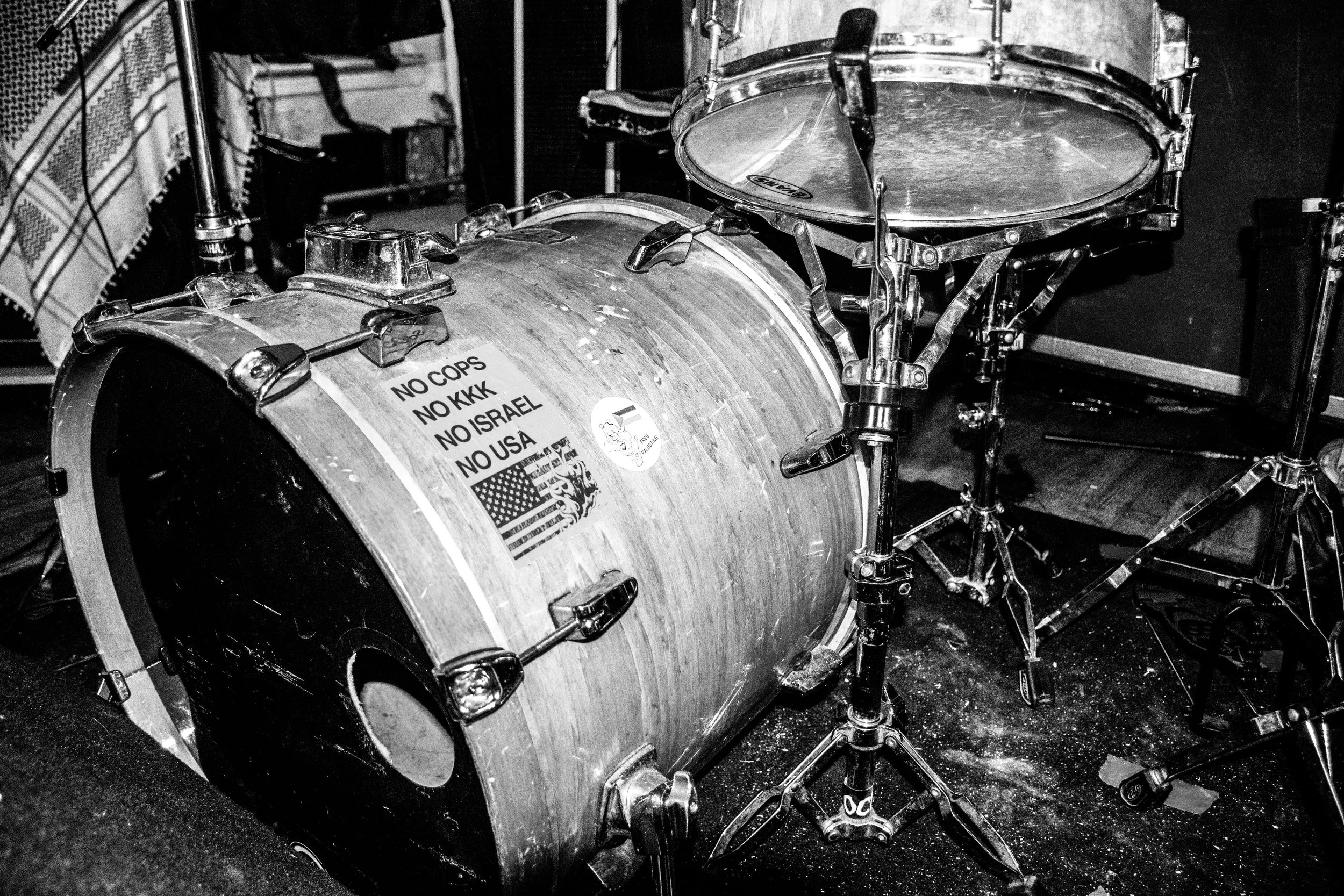
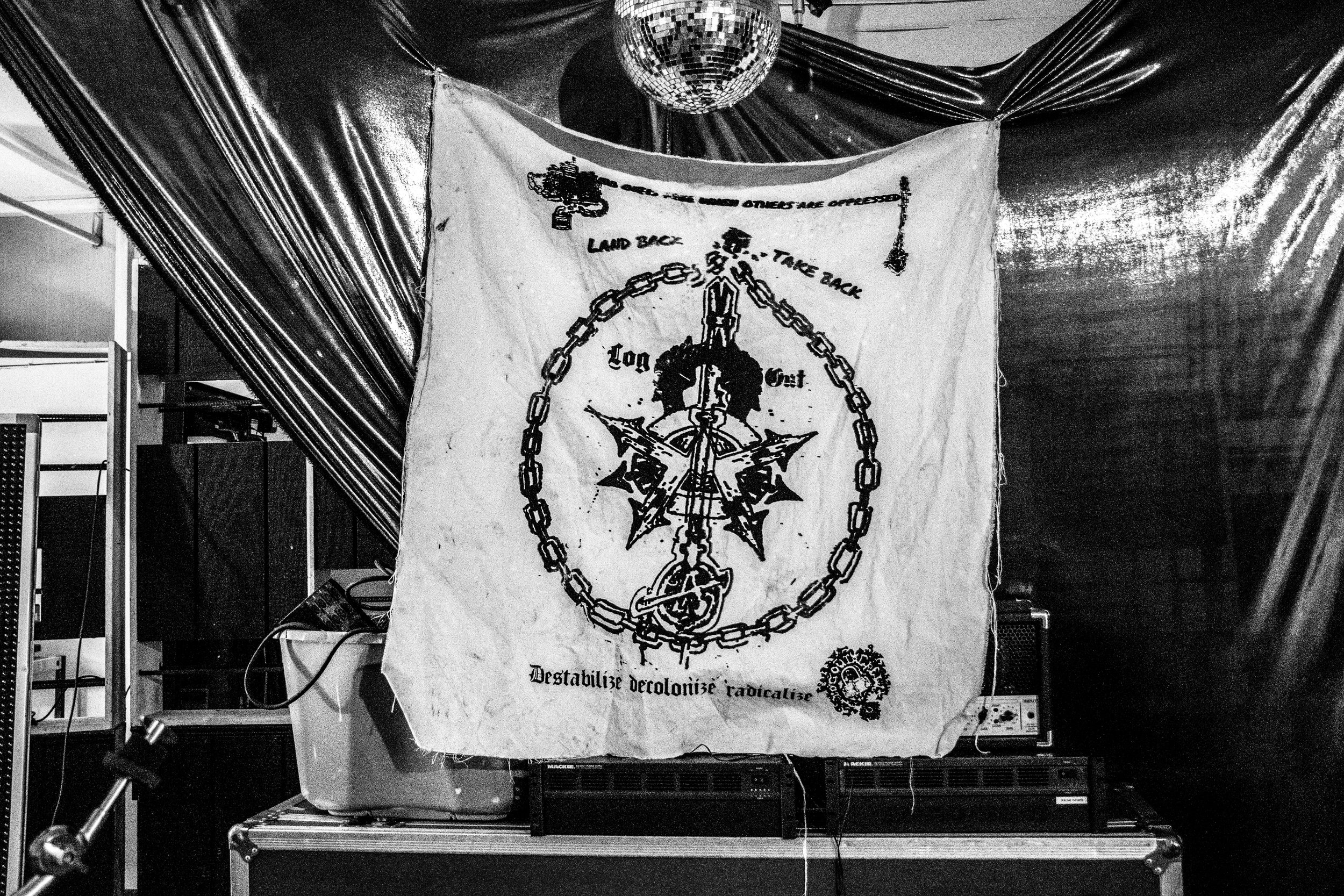
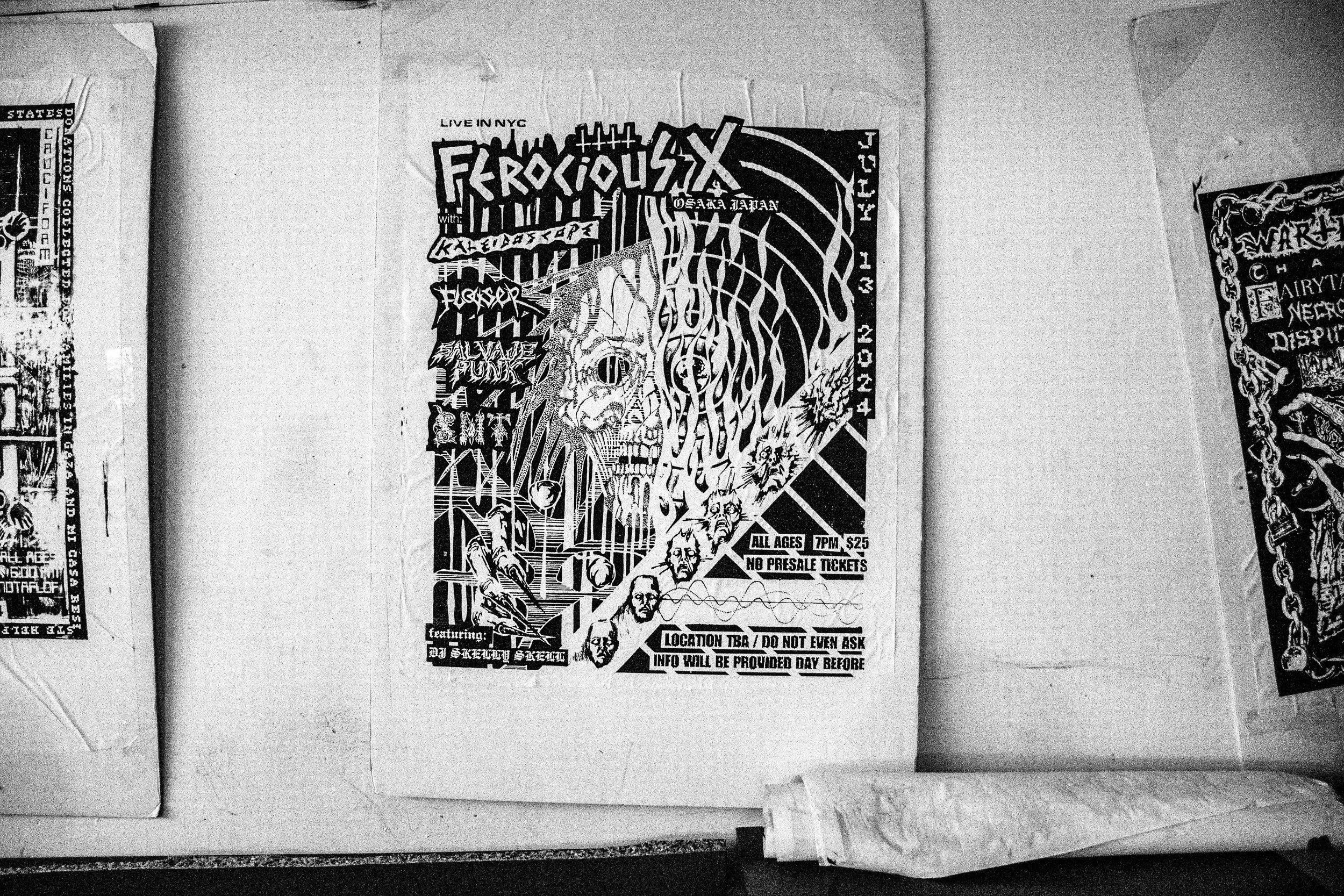
Squatting in NYC
During the 1970s and 80s, punks, anarchists, artists, and outcasted youth flocked to the Lower East Side, where they spearheaded the then-growing squatting movement in New York City.
The squatting movement rose from decades of intentional government disinvestment in inner cities. The Kerner Commission, tasked by President Lyndon B. Johnson in 1968 with investigating the causes of the racial unrest throughout the 1960s, recommended a "reorientation of Federal housing programs” from urban cities to “non-ghetto” suburban areas.
Under the section of Why Did It Happen? The Kerner Commission cited the experiences of Black citizens, “Our nation is moving towards two societies, one black, one white — separate and unequal.”
On the State level, New York’s Housing Commissioner Roger Starr proposed planned shrinkage, where the city would stop investing in impoverished neighborhoods and shift funds to wealthier areas.
For Frank Morales, a squatter and author of Squatting in NYC, Starr’s housing proposal was a “counter-insurgency against the poor,” because it resulted in the abundance of abandoned property and homelessness in the Lower East Side.
He sees both the Kerner Commission and Starr’s planned shrinkage as “planned spatial deconcentration” which frames the disinvestment of the Lower East Side as deeply rooted upon racist white supremacist ideology.
Through this lens, Morales saw, the purposeful indifference of poor urban areas was done so in order to break up pockets of politically active Black and Hispanic residents, to quell any future dissent.
Seeing an opportunity, Morales and around 500 others took a direct-action approach in the 1980s to “actualizing their human right to a home” in about 30 vacant buildings.
“In that sense, squatting is a means of self defense,” he wrote in the fall 2021 update of his zine, Squatting in NYC. “In other words, needing a home, they decide to take one!
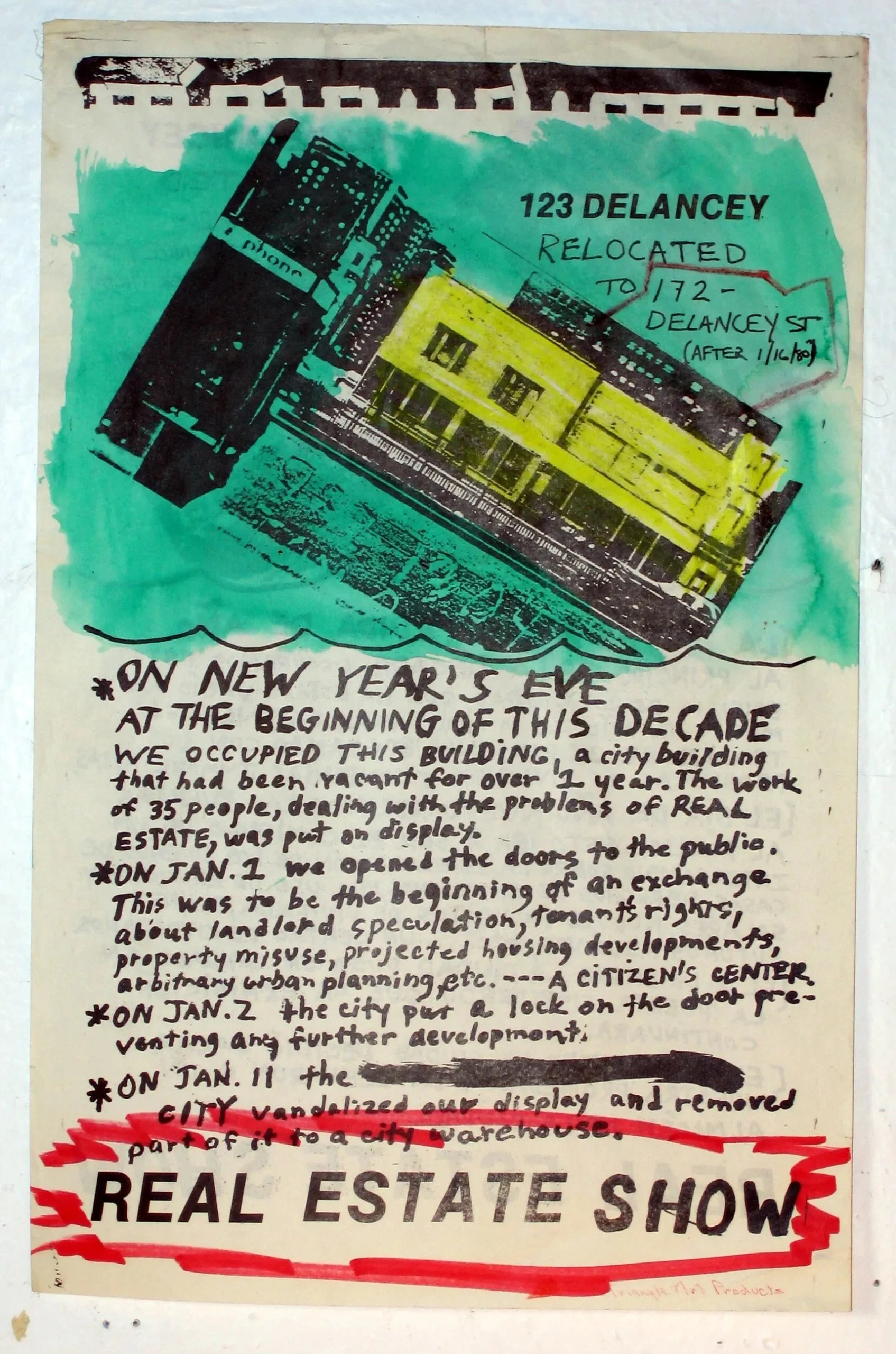
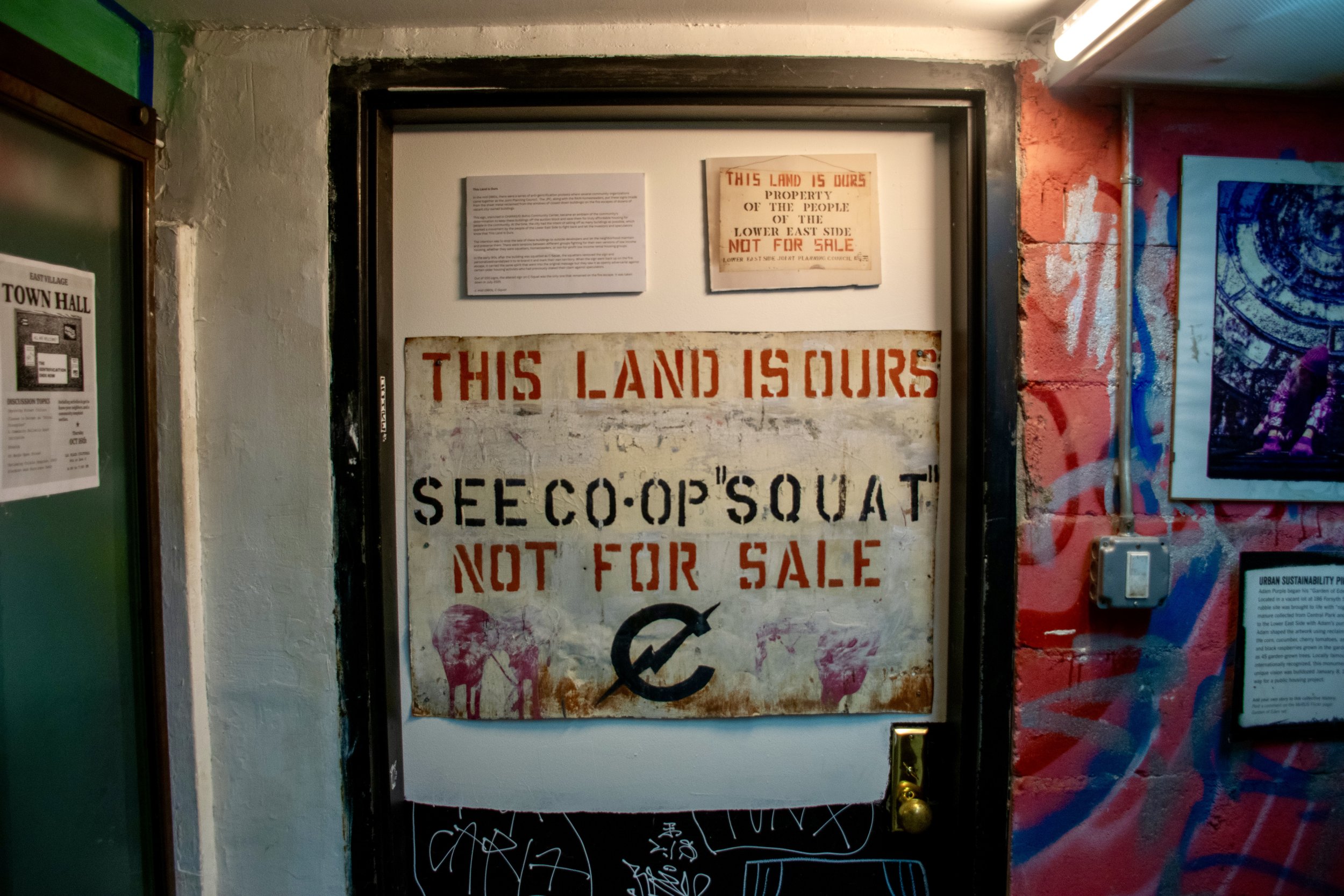
Among the best-known anarchist punk squats of the period was ABC No Rio.
ABC No Rio, located at 156 Rivington Street, is a collective founded by artists in the aftermath of The Real Estate Show on Jan 1, 1980, an art exhibition by the art collective Colab, in which artworks critiqued the city's housing and land use policies. The next day, the artists found the building locked shut and their art pieces missing, courtesy of the Department of Housing Preservation and Development. On Jan. 4th, HPD and the artists agreed to an alternative location, under the condition that they do not relaunch The Real Estate Show.
The artists chose the basement and ground floor of 156 Rivington Street, a vacated city-owned law office building. Out front, the building had seen better days as the sign that once read “Abogado Con Notario” was missing so many letters that it only spelled out: ABC No Rio
In 2002, after decades of negotiation between the squatters at 156 Rivington and the city, former Mayor Rudy Giuliani sold the property over to the squatters for $1 through the Urban Homesteading Assistance Board, provided the occupants raise the money to rehabilitate the property. This deal established the remaining squats as cooperative housing as laid out by the Housing Development Fund Corporation.
ABC No Rio gained the title to 156 Rivington on June 29, 2006.
In 2016, the community was displaced when the building was demolished, to make room for its more environmentally-conscious replacement. However, in July 2024, ABC No Rio broke ground on an updated building, at its original address, after receiving a $21 million contribution by the city’s Department of Cultural Affairs, which covered a majority of the construction costs.
In continuation of the original, the new community center will once-again be a hub for anarchists, artists and activists offering a darkroom, zine library, a printlab, and event spaces for mutual aid projects. ABC No Rio is set to re-open in July 2026.
Many volunteer-led collectives operate under the ABC No Rio umbrella, each running its own programming. Among the most influential is the Hardcore/Punk Collective, which helped cement ABC No Rio’s legacy. Beginning in 1990, the collective transformed the space into an all-ages venue for the city’s punk and hardcore scenes. The Saturday Matinee fostered not only an inclusive community but also a politically engaged one, as ABC No Rio deliberately refused to book racist, sexist, or homophobic bands.
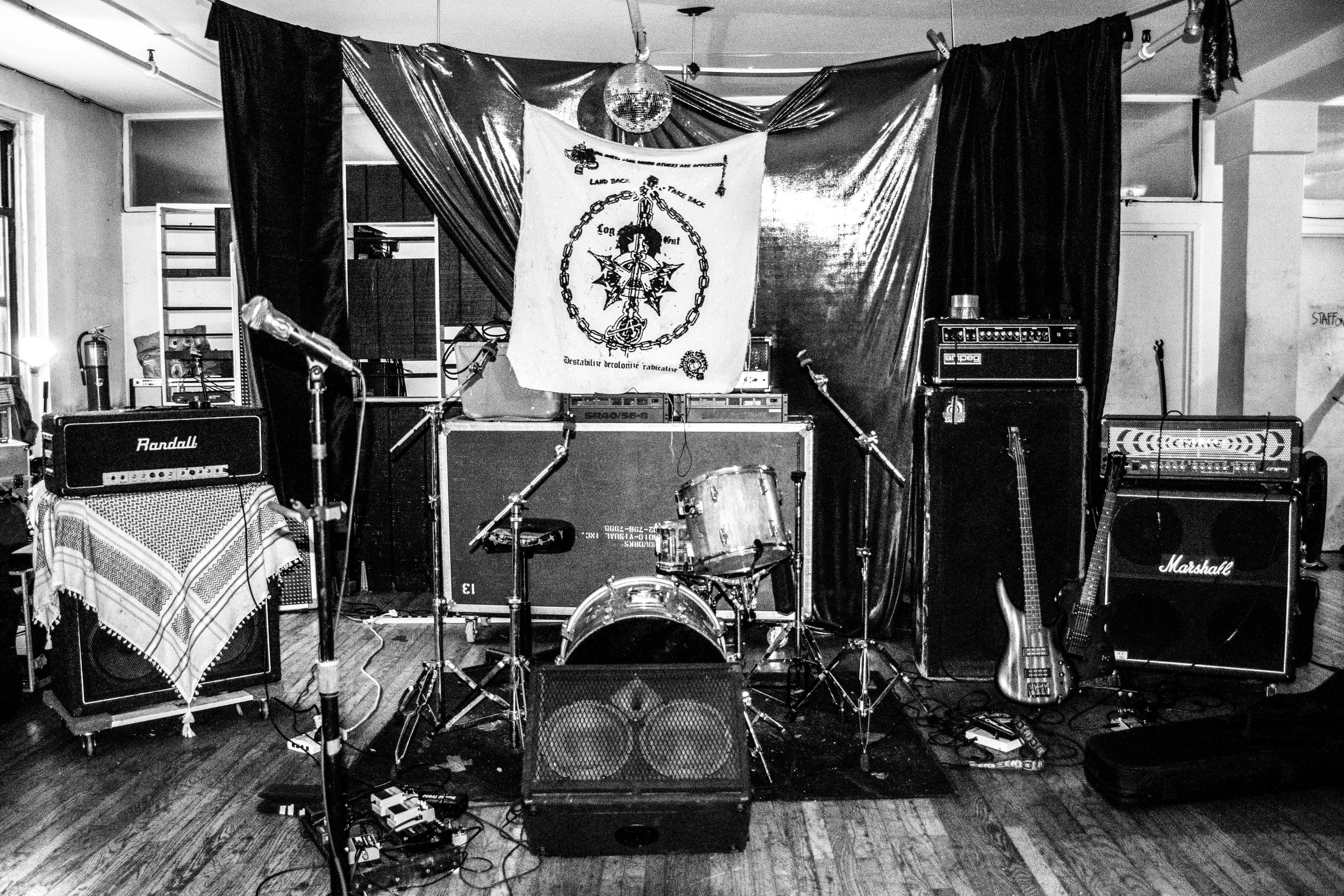
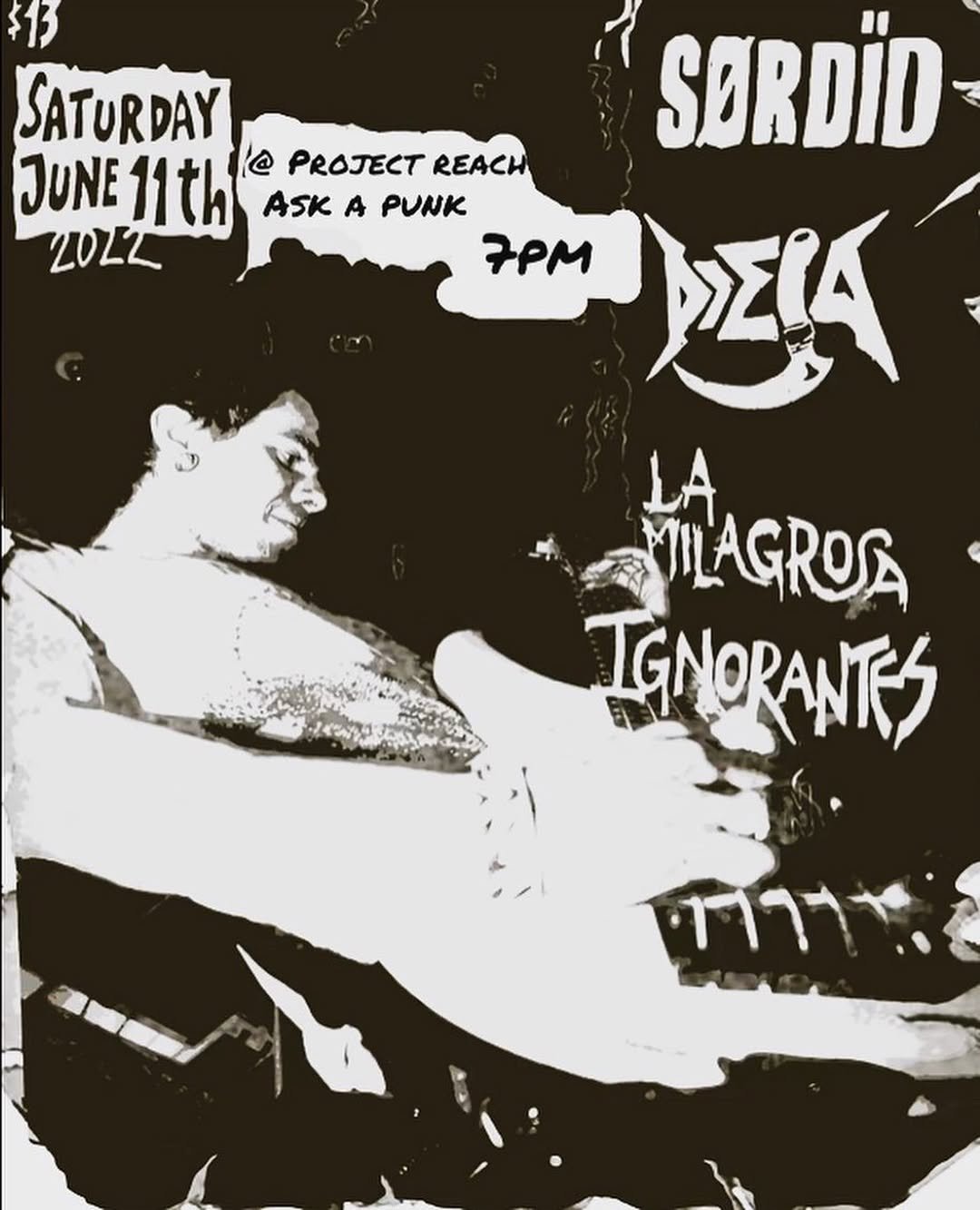
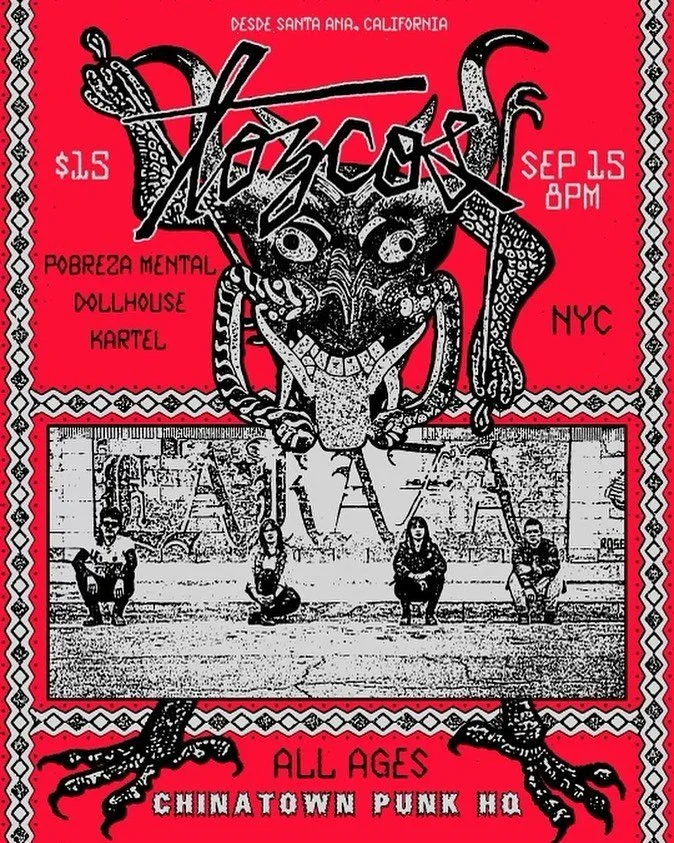
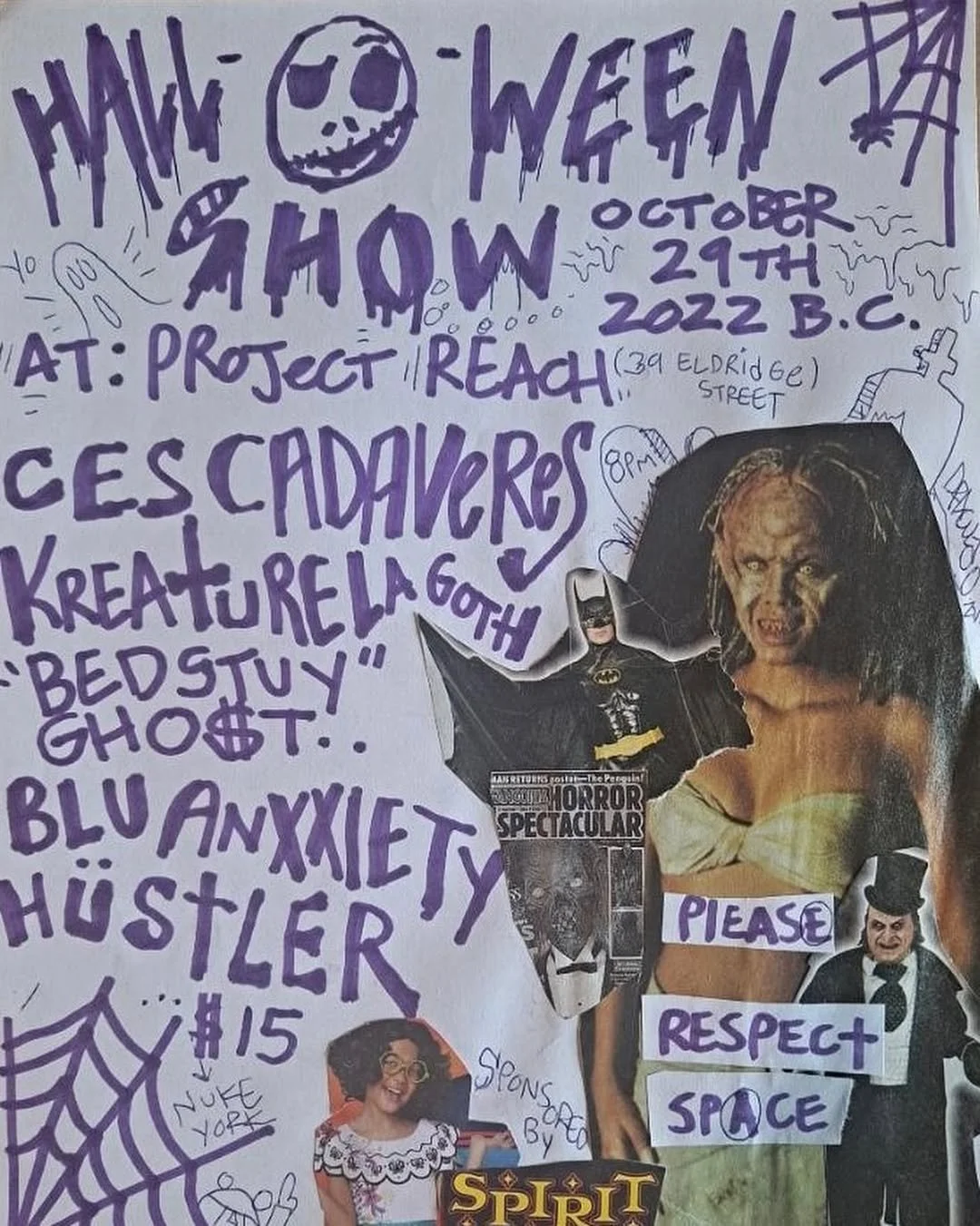
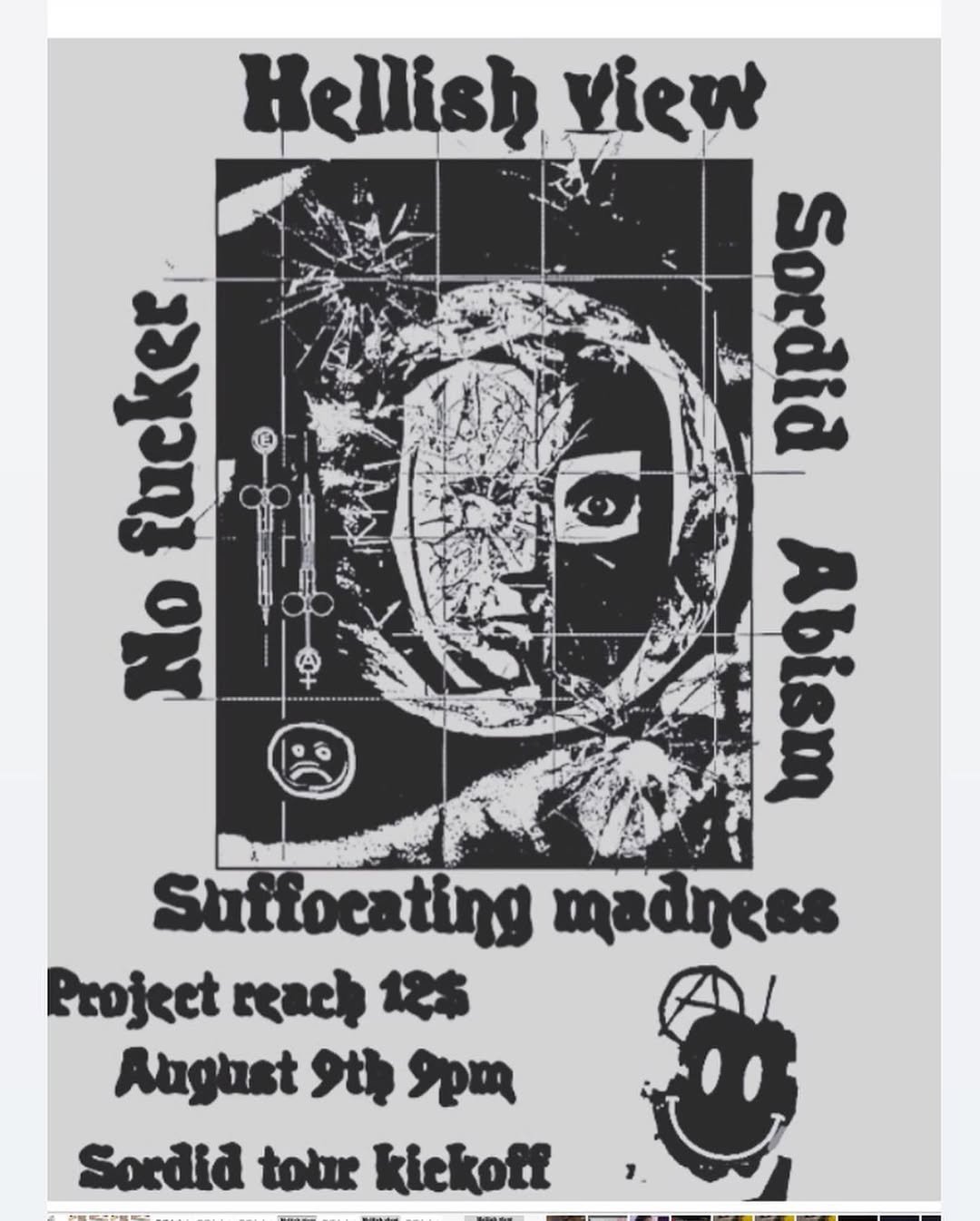
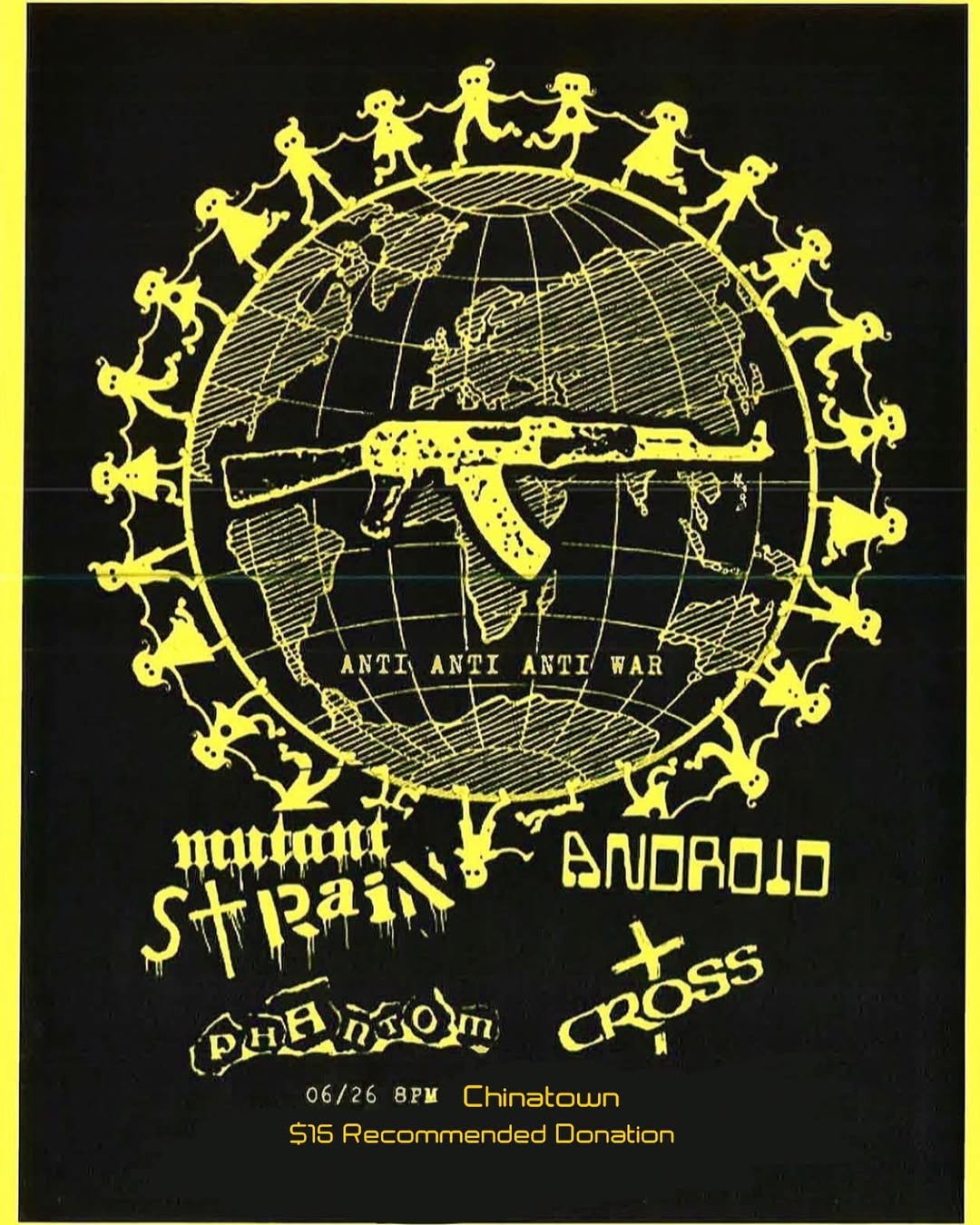
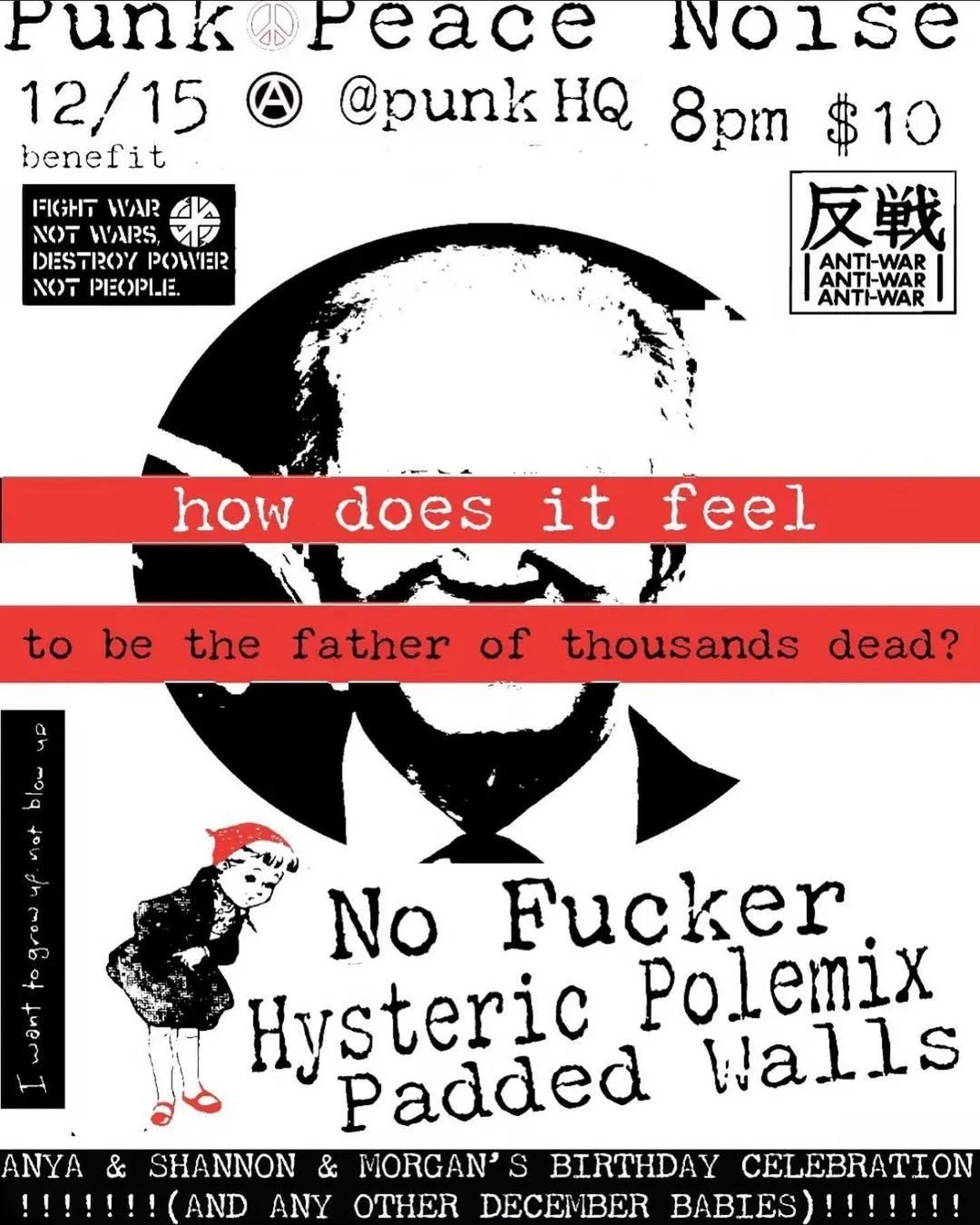
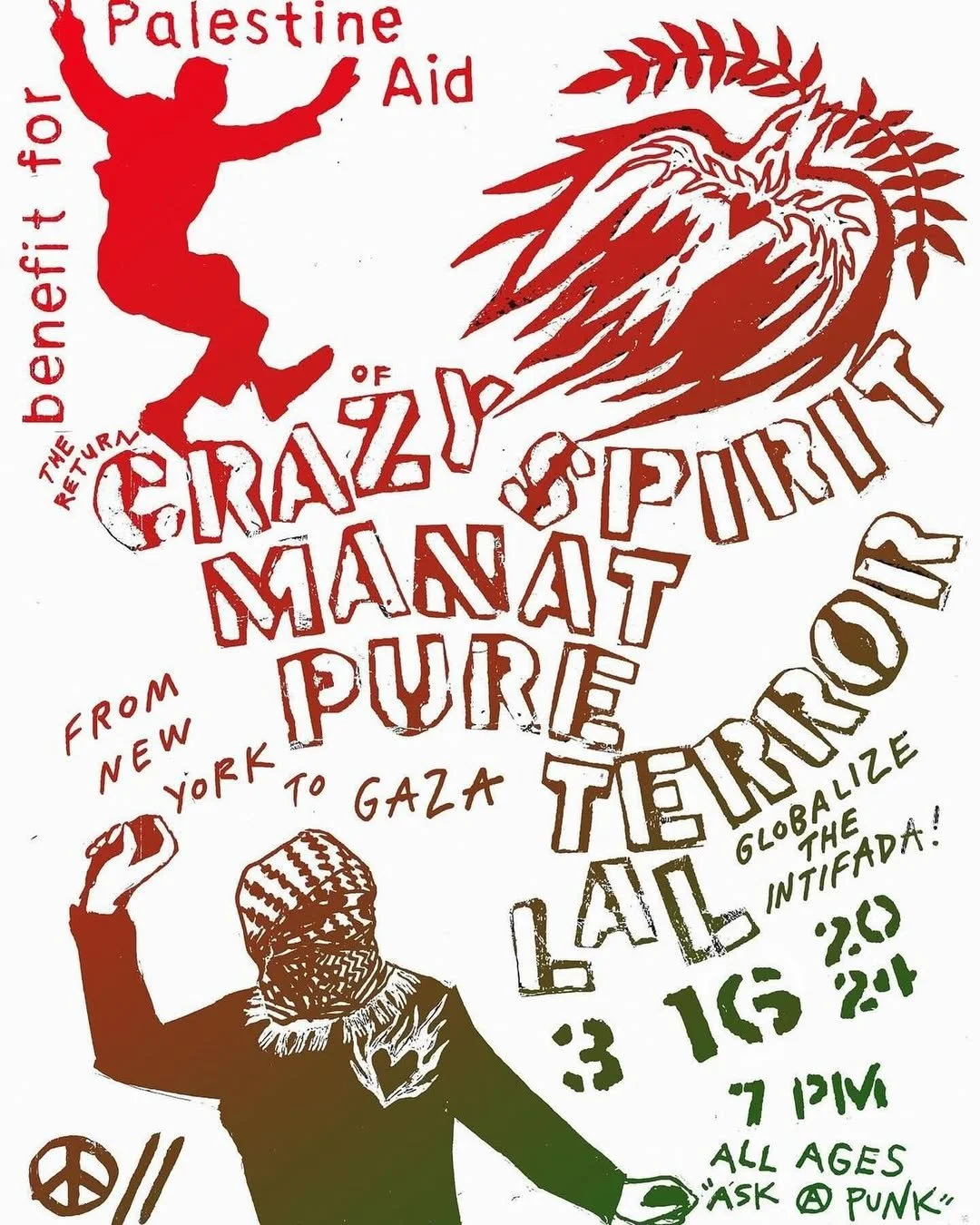
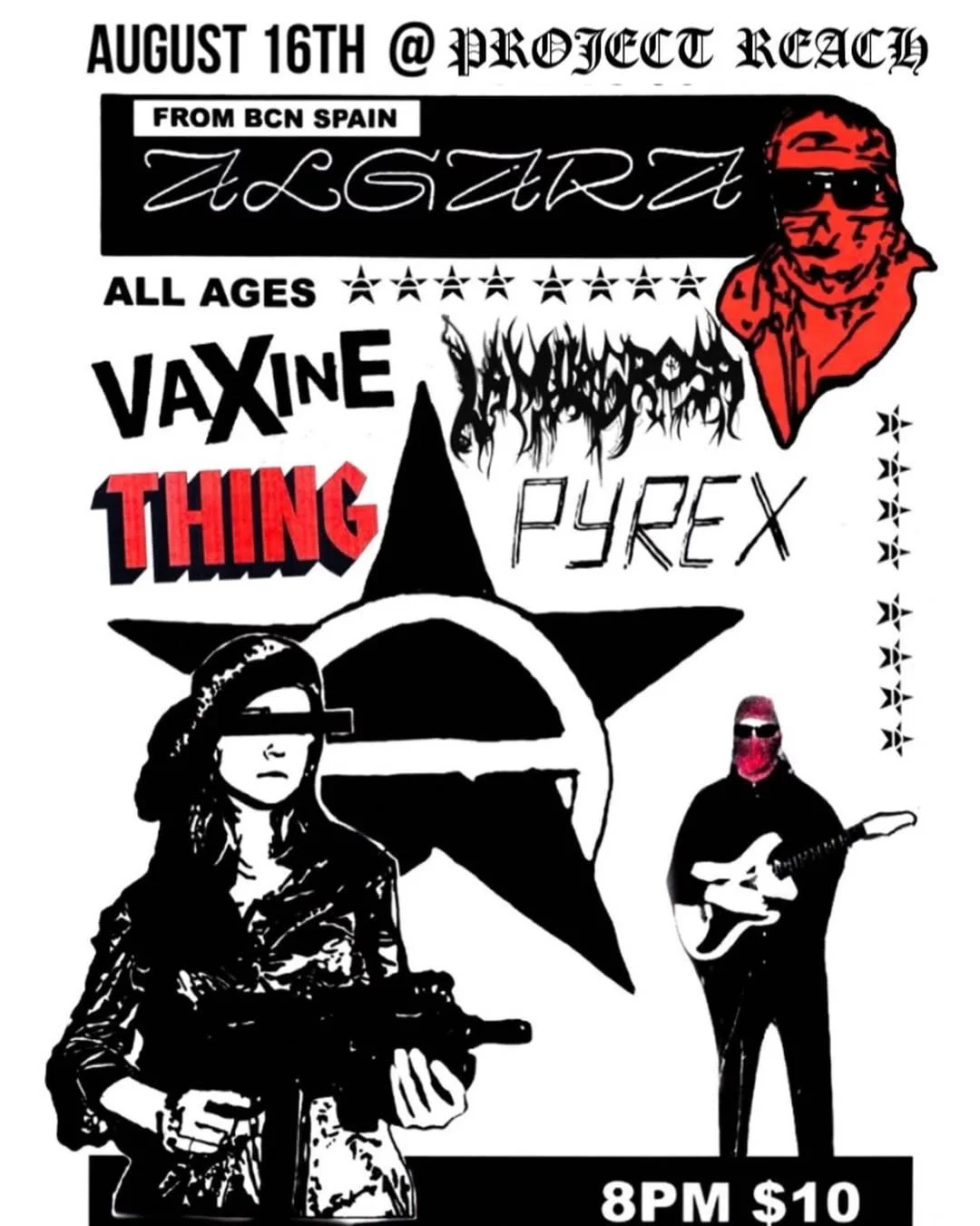
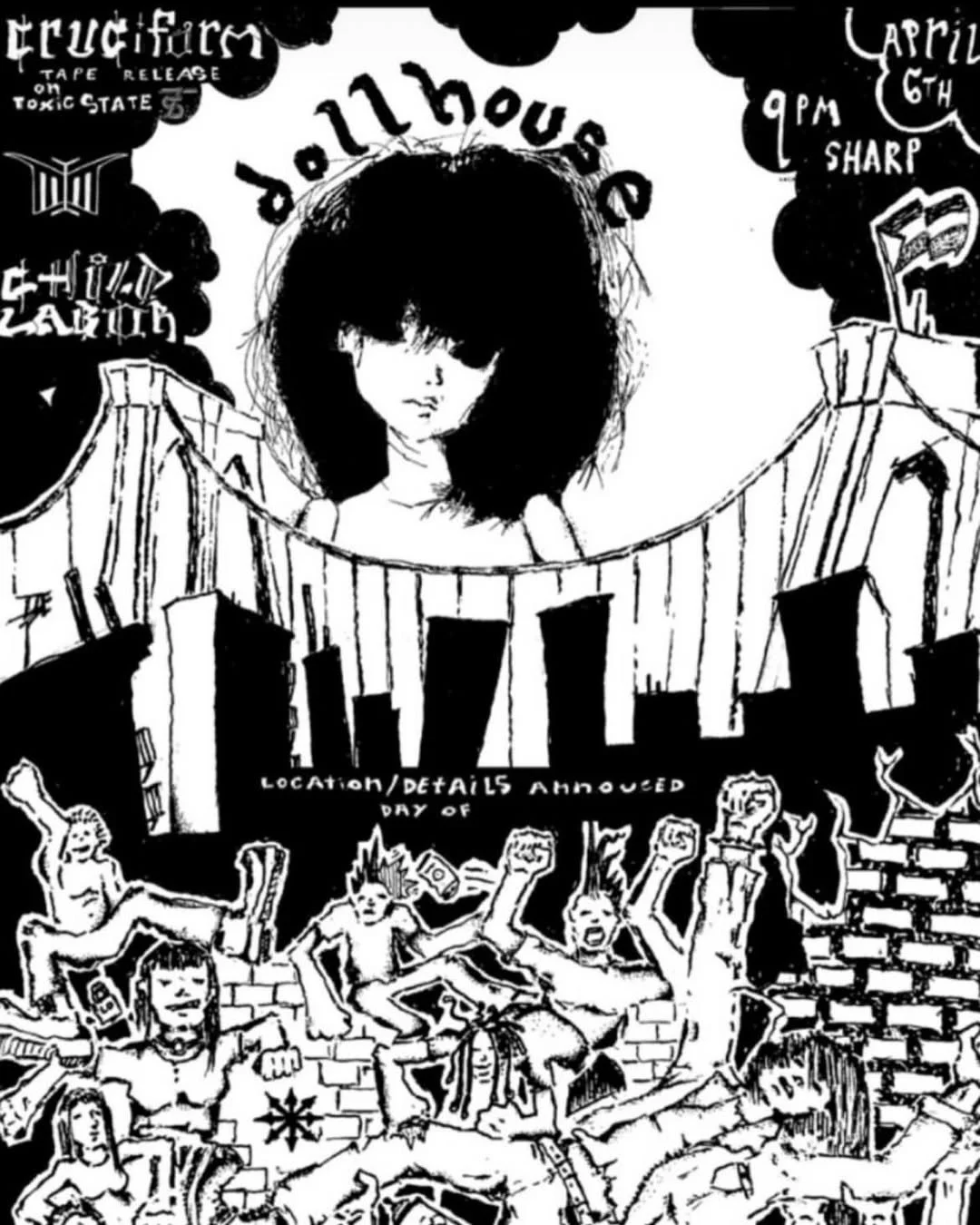
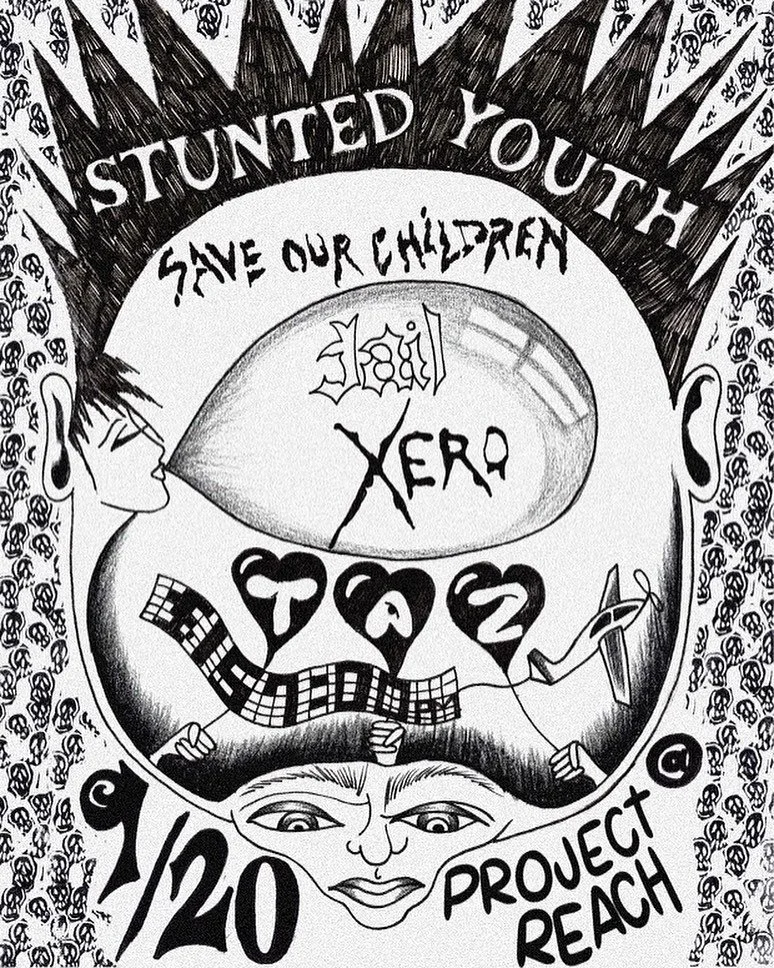
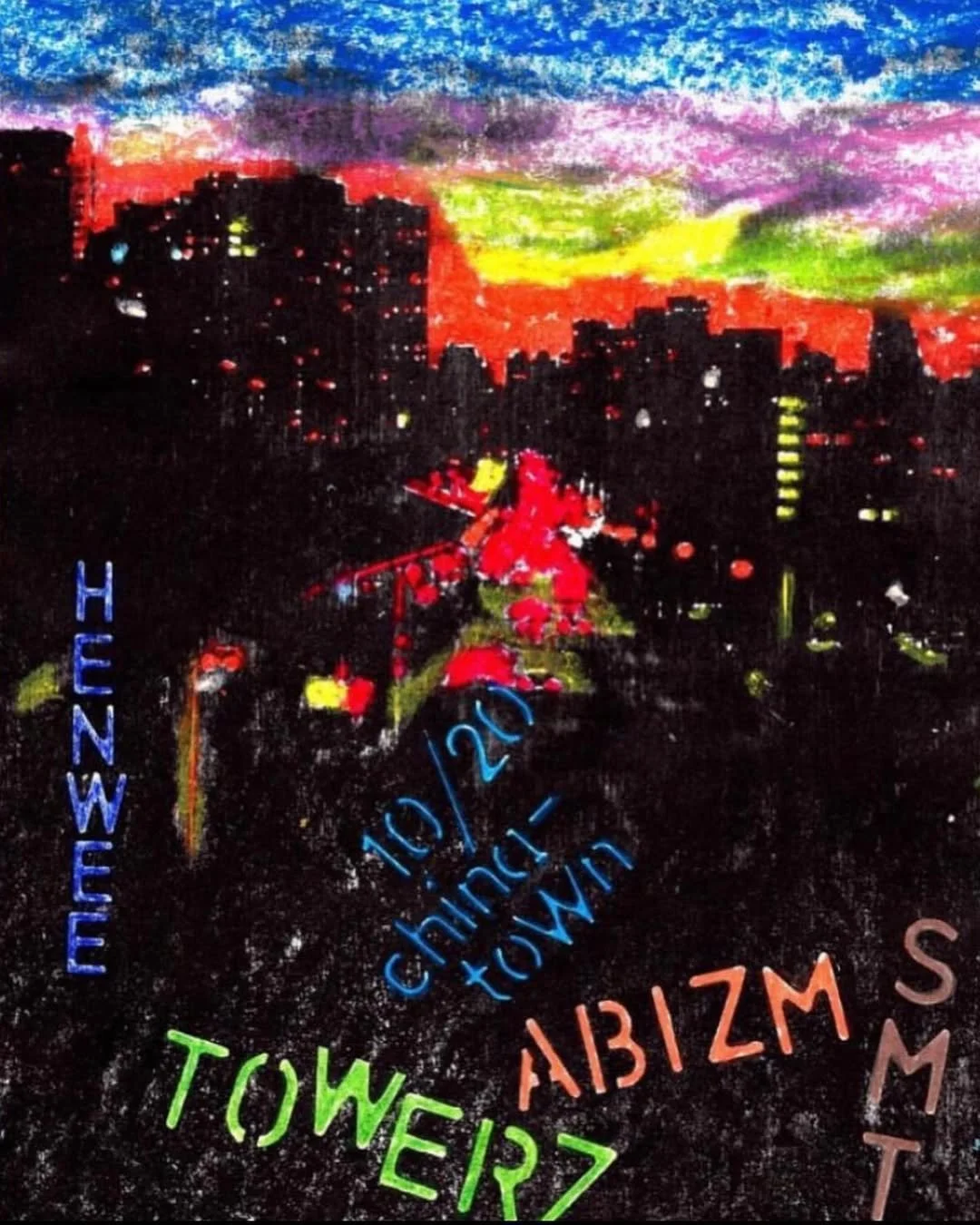
Roughly three decades later, Punk HQ once held screenprinting workshops and music programming, originally used as financial fundraisers to “save Project Reach,” as the Chinese-American Planning Council began the process to vacate 39 Eldridge Street.
In Sept. 2021, Wren Quiles was originally a participant of Reach’s service and was there so frequently, eventually CPC offered them part-time employment. Ru Orzoco was working for Project Reach as a workshop coordinator. Two years later, what began as a team of five-people, dwindled down to only Quiles and Orozco. Since then, they have witnessed and attempted to stop the steady decline of the program.
“ Ru joining with Project Reach ended up saving it,” Wren Quiles said, giving much of the flowers to Ru Orozco.
In July 2023, Orozco had introduced to the various programming and workshops that brought in the younger community that once used 39 Eldridge.
Ru Orozco had turned these off-shoot programs into official curriculum, which they claim that CPC had “cherry-picked what they liked out of it” and used that foundation to get grants.
Leading Wren Quiles, Ru Orozco, and an unspecified number of others decided to occupy the fourth floor on Eldridge St. in the Fall of 2023 in defiance against the “non-profit industrial complex” and a post-covid New York City.
“ The grants that these people received, the funding that they receive, it's off the backbone of people like me and Wren,” said Ru Orozco. “It’s not these people in the suits, or the landlord, or any of these people. It's the existing community.”